Planning a trip and want to discover Marbella’s most authentic dishes? Are you someone who enjoys trying new foods when on holiday? In this article, we’ll share the city’s most traditional recipes, from the famous sardine espetos to ajoblanco, fritura malagueña, and gambas al pil pil, plus where to enjoy the best traditional dishes in Marbella like a true local.
Simple, flavourful dishes with history that combine the best of the sea, sun, and Andalusian cuisine. Take note and make sure to try them all during your visit. Get ready to enjoy authentic Marbella gastronomy!
10 Most Traditional Marbella Dishes You Must Try
Here are the 10 essential dishes of Marbella’s gastronomy. Some are eaten by the sea, others in Andalusian courtyards… but all taste of the Costa del Sol.
1. Sardine Espetos
If there’s one dish that represents the essence of Marbella like no other, it’s sardine espetos. These are fresh sardines skewered on canes and grilled over wood embers, typically in a boat filled with sand. Watching them cook live by the sea is part of the ritual.
This technique originated in the 19th century by Málaga fishermen and is now recognised as UNESCO Intangible Cultural Heritage of Humanity. Simple, tasty, and authentic, the espeto is pure Mediterranean flavour.
Price: Usually served in portions of half a dozen for €8-12, perfect for sharing in the sun with a cold beer or local white wine.
Where to try it: At The Point, you can enjoy premium traditional espetos right by the sea with live music at sunset. You’ll also find them at classic chiringuitos like El Cordobés (Playa de la Fontanilla) or Trocadero Arena (Playa de Venus).
2. Fritura Malagueña (“Pescaíto Frito”)
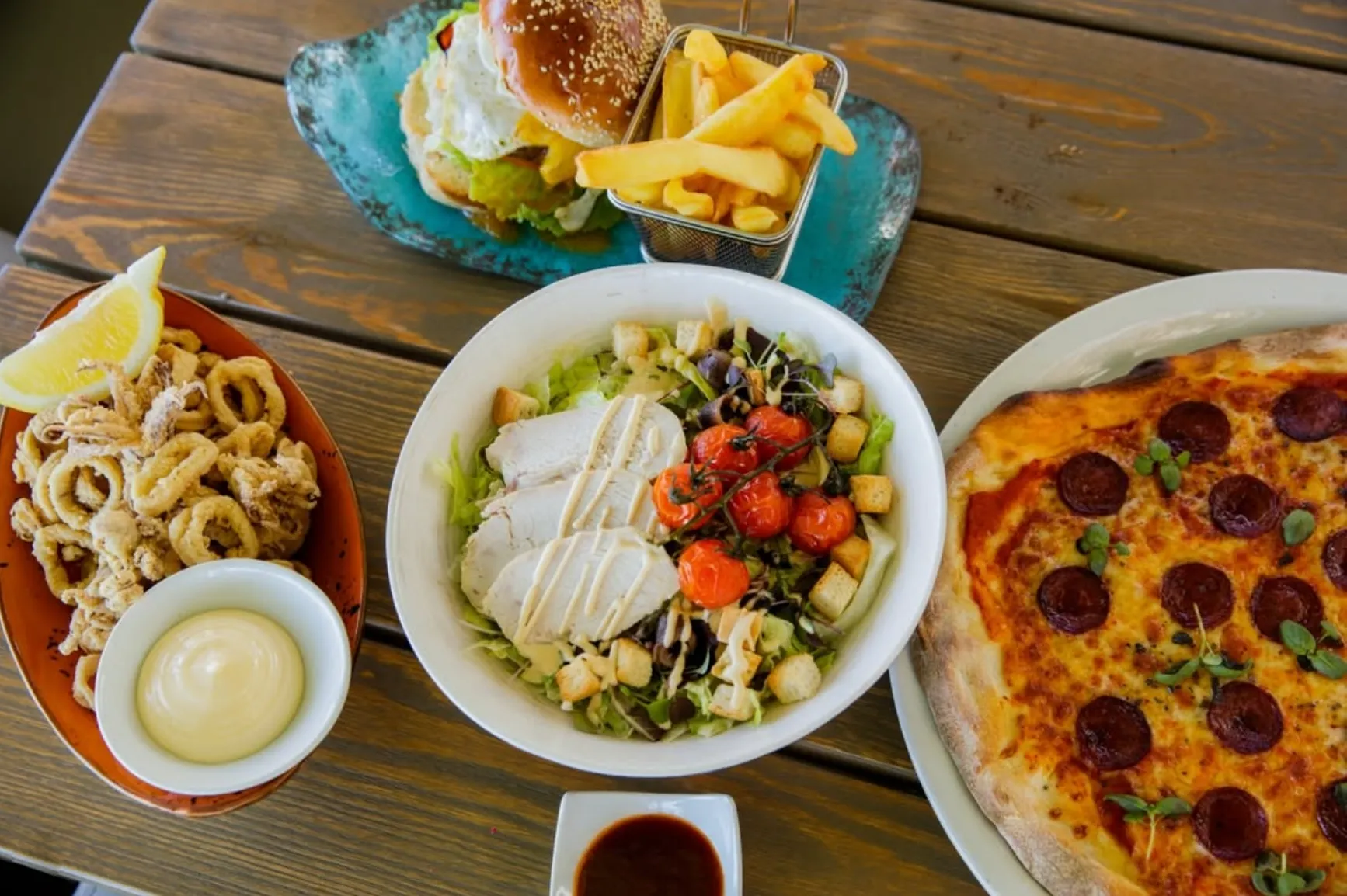
One of Andalusian cuisine’s most beloved classics is fritura malagueña, locally known as pescaíto frito. An irresistible mix of anchovies, squid, dogfish, baby squid, and sand smelt, battered in flour and fried in extra virgin olive oil until golden and crispy.
Some prefer it “al adobo” – with the fish previously marinated in vinegar, garlic, paprika, and oregano. Either way, it’s a perfect dish for sharing and enjoying without rushing, any time of day.
Price: Average cost ranges from €10-18 for a generous portion for two people.
Where to try it: At The Point Marbella, you can order La Malagueña, a carefully prepared mixed fry with squid, baby squid, anchovies, and marinated fish, perfect for whetting your appetite with sea views. Casa Blanca (Old Town) and Los Sardinales (San Pedro) also stand out for more traditional versions.
3. Gambas al Pil Pil
A simple dish, but full of character. Gambas al pil pil are an icon of Andalusian and Marbella cuisine. They’re prepared in a clay dish with fresh prawns, usually from Huelva or Málaga, extra virgin olive oil, sliced garlic, chilli pepper, and a touch of salt.
The secret lies in the slow sauté technique, allowing the garlic to meld with the oil and the prawns to release their juices, creating an emulsified, intense, and slightly spicy sauce. They’re served bubbling hot, perfect for dipping bread without guilt.
Price: Average cost ranges from €14-24, depending on the size and origin of the prawns.
Where to try it: At The Point Marbella, gambas al pil pil are served as a star starter, perfect to accompany with chilled white wine and sea views. They’re also excellently prepared at places like Mesón El Molino (Ojén road) or the elegant Taberna del Alabardero.
4. Ajoblanco
Ajoblanco is one of southern Spain’s oldest cold soups. Of pre-Roman origin with clear Arab influences, this dish has survived centuries thanks to its simplicity, freshness, and unique flavour.
It’s made with raw almonds, stale bread, garlic, extra virgin olive oil, vinegar, and water. The texture is smooth, almost creamy, and it’s usually served very cold, accompanied by white grapes or melon, giving it a sweet and refreshing contrast.
Unlike gazpacho, ajoblanco contains no tomato or pepper, making it a light option, ideal for the hottest days.
Price: Average cost ranges from €4-7 per cup or individual bowl.
Where to try it: At The Point Marbella, ajoblanco is offered as a seasonal cold soup, perfect for starting a meal by the sea. You can also enjoy it in its most traditional version at Bodeguita Casa Aranda in Marbella’s old town.
5. Ensalada Malagueña
Fresh, tasty, and with a surprising contrast. Ensalada malagueña is a typical dish that combines the sweetness and acidity of bitter orange from the Axarquía with the saltiness of desalted cod, over a base of boiled potato, aloreña olives (DOP), red onion, and hard-boiled egg.
Everything is dressed with a spicy lemon vinaigrette that gives it that citric and powerful touch so characteristic of Málaga cuisine.
Price: Usually ranges from €9-14, depending on the restaurant and quantity.
Where to try it: At The Point Marbella, it’s reinterpreted with zero-kilometre ingredients and careful presentation. It’s also a classic at places like Casa Eladio on the Paseo Marítimo.
6. Boquerones (White Anchovies)
Boquerones are one of the Costa del Sol’s star sea products, and in Marbella, they’re enjoyed in two very different but equally delicious ways.
In vinegar: The fillets are marinated in vinegar, garlic, and parsley, creating a fresh, acidic appetiser very typical of Andalusian tapas.
Fried: They’re battered in chickpea flour and fried at high temperature until crispy outside and juicy inside. Perfect with a very cold beer.
Price:
- In vinegar: €7-10
- Fried: €8-12
Where to try them: At The Point Marbella, they’re served as part of the seafood selection. For a more traditional experience, visit San Pedro de Alcántara Market, where you’ll find them fresh or freshly made at the most popular stalls.
7. Gazpacho and Porra Antequerana
Two perfect Andalusian cold soups for summer, with many similarities… but also key differences worth knowing (and tasting!).
| Feature | Gazpacho | Porra Antequerana |
| Base | Tomato, cucumber, pepper | Tomato and dense bread |
| Texture | Liquid, for drinking or serving in a glass | Creamy, like salmorejo |
| Toppings | Croutons, hard-boiled egg, ham | Hard-boiled egg, ham, or tuna |
| Approximate price | €5-8 | €6-9 |
Gazpacho is lighter and more refreshing, ideal as a starter or even a drink on the hottest days. Porra antequerana, denser, is served with a spoon and resembles salmorejo but with its own stamp from Málaga province.
Where to try both: At The Point Marbella, Andalusian gazpacho is offered as a summer starter. For authentic porra, head to El Estrecho in Marbella’s historic centre.
8. Cazuela de Cazón con Patatas
This dish is pure traditional seafood cuisine. It features cazón (a type of young shark), shredded and cooked with potatoes, almonds, saffron, white wine, and in many versions, a touch of prior marinating that intensifies the flavour.
Of humble origin, it was born as a fishermen’s resourceful dish, using ingredients they had at hand on the coast and countryside. The result is a tasty, aromatic, and comforting stew.
Price: Usually ranges from €15-22, depending on the venue and preparation.
Where to try it: In its most classic version at Restaurante Santiago (Av. Duque de Ahumada), where they prepare it with a touch of smoked paprika that adds depth without losing authenticity.
9. Rabo de Toro (Oxtail Stew)
Oxtail stew is one of those traditional dishes that capture all the character of Andalusian cuisine: slow, intense, and full of flavour. It’s prepared with oxtail braised for 4-6 hours in a base of Pedro Ximénez red wine, carrot, cloves, and other spices that provide a sweet and aromatic touch.
The result is tender meat that falls apart on its own, ideal to accompany with potato crisps or sweet potato purée, depending on the house.
Price: Usually ranges from €18-28, depending on the type of meat and its origin.
Where to try it: At Asador de Marbella (Calle Peral), where they prepare an outstanding version with “Toro de Lidia” denomination of origin, giving it a deeper and more authentic flavour.
10. Rosquetes Marbellíes
Rosquetes marbellíes are one of those sweets that tell a story. Born in the 18th century in Marbella’s convents, they’re part of the traditional recipe collection passed down through generations.
They’re made with a dough of flour, egg, and anise, fried until golden, then bathed in cane honey, achieving perfect balance between crispy and honeyed.
Where to find them: At places like Pastelería San Pedro (Av. Ricardo Soriano), where they’re sold by weight, between €12-15 per kilo.
Fun fact: These sweets are given at traditional Marbella weddings as a symbol of prosperity and good fortune for the couple.
Where to Eat Traditional Food in Marbella?
If after reading this gastronomic journey you fancy trying all these flavours in one place, The Point Marbella is your best option. Facing the sea, with a relaxed yet sophisticated atmosphere, you’ll find a menu that pays homage to traditional Andalusian cuisine with a modern touch and top-quality ingredients.
From our fire-grilled espetos to the fritura malagueña “La Malagueña,” through gambas al pil pil, ajoblanco, Andalusian gazpacho, or fried boquerones, at The Point we bring together the best of the local recipe collection with the Mediterranean as a backdrop.
Book your table, taste Marbella’s most authentic flavours, and live the experience as it deserves – with your feet in the sand and a glass in hand.📍 Address: Carretera A-7, Km 184.5, 29603 Marbella, Málaga – Playa de la Fontanilla
📞 Phone: +34 650 41 36 32
Book Table